

In every meaningful relationship, communication is the lifeline — a conduit for vulnerability, emotional safety, and mutual understanding. Yet, in the face of conflict or emotional discomfort, one partner may shut down, creating an invisible wall that separates rather than protects. This behavior, known as stonewalling, is far more than just “the silent treatment.” It’s a complex, often unconscious coping mechanism that can erode even the strongest of bonds if left unaddressed.
What Is Stonewalling?
Stonewalling is the act of withdrawing from interaction — verbally, emotionally, or physically — during conflict. It can manifest as silence, one-word answers, avoiding eye contact, walking away, or even passive behaviors like scrolling on the phone mid-discussion. It often happens when a person feels emotionally flooded, overwhelmed, or incapable of engaging without escalating tension.
While sometimes stonewalling is intentional and used as a power play or form of punishment, it is more commonly an automatic response — a form of self-protection developed early in life, particularly by those who grew up in high-conflict or emotionally unpredictable environments.
Why Do People Stonewall?
Understanding why someone shuts down during emotional conversations is essential to breaking the pattern. Some common underlying reasons include:
- Emotional Overwhelm: When conflict feels too intense to process, the body may go into a fight-flight-freeze state, leading to emotional shutdown.
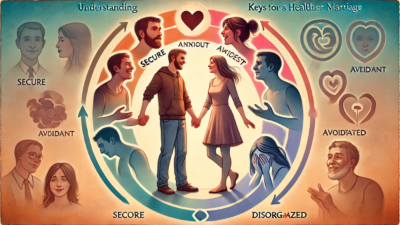
- Avoidance of Conflict: Some people, especially those with anxious or avoidant attachment styles, stonewall to steer clear of arguments they fear may damage the relationship.
- Lack of Skills: Many people simply haven’t learned how to navigate difficult conversations. Their silence is not a rejection, but a gap in emotional regulation tools.
- Defensive Response: Stonewalling may emerge as a defense mechanism against perceived criticism or emotional vulnerability.
- Trauma or Past Abuse: In some cases, stonewalling is a learned response from past trauma — an internalized strategy to feel safe when emotional intensity arises.
Although it can feel deeply hurtful, especially to the partner on the receiving end, it’s important to approach stonewalling with compassion rather than blame. The goal isn’t to punish the behavior — it’s to understand and move beyond it.
The Emotional Toll of Stonewalling
Stonewalling doesn’t just affect the momentary conflict; it silently chips away at the foundation of a relationship. Over time, it can lead to:
- Breakdowns in Communication: When one partner shuts down, the other often escalates or withdraws in turn, creating a vicious cycle of miscommunication.
- Loss of Intimacy: Emotional and physical closeness often suffer when connection is repeatedly severed during important conversations.
- Erosion of Trust: Consistent emotional withdrawal can make a partner feel rejected, neglected, and emotionally unsafe.
- Psychological and Physical Stress: Studies show that chronic stonewalling can lead to physiological effects such as tension, headaches, or anxiety — for both the person stonewalling and the one being stonewalled.
Over time, if left unresolved, stonewalling can become a defining pattern in a relationship — one that signals disconnection more loudly than words ever could.
Is Stonewalling Always Abusive?
Not necessarily. There’s a clear distinction between unintentional emotional withdrawal and manipulative silence used to punish or control. The former stems from internal distress or emotional dysregulation, while the latter — when used as a tool for dominance or emotional gaslighting — can become a form of emotional abuse. Recognizing intent and pattern is crucial to understanding how to respond.
How to Break the Cycle of Stonewalling
The good news? Stonewalling is a learned behavior — and with awareness, it can be unlearned. Here are steps couples can take to interrupt and heal from this destructive cycle:
1. Recognize the Pattern
Awareness is the first step. Naming the behavior — “I think I’m shutting down right now” — creates space for understanding instead of blame. Partners can work together to identify when and why the pattern occurs.
2. Pause — Don’t Withdraw
It’s okay to take a break from an intense conversation, but the key is how you do it. Let your partner know, “I need 20 minutes to calm down so I can return and talk with you clearly,” and always come back to the discussion. Silence without explanation is what creates distance.
3. Use “I” Statements
Instead of “You always ignore me,” try “I feel overwhelmed when we argue, and I need time to think before I can respond.” This reduces defensiveness and fosters empathy.
4. Stay Emotionally Engaged
Even if you’re too overwhelmed to speak, small gestures — like sitting close, maintaining soft eye contact, or holding a partner’s hand — can signal that you’re still emotionally present.
5. Develop Self-Soothing Tools
Learning how to regulate emotions during conflict is essential. Techniques like deep breathing, mindfulness, journaling, or taking a brief walk can calm the nervous system and improve conflict resolution.
6. Create Safe Spaces for Communication
Make it a shared goal to build a relationship where both people feel safe to express even uncomfortable truths without judgment or fear. Set boundaries, but also offer reassurance.
7. Seek Professional Support
Therapy — whether individual or couples’ — can be transformational. A skilled therapist can help identify emotional triggers, childhood roots of stonewalling, and teach practical tools for reconnection. Somatic therapy, in particular, is powerful for those whose stonewalling stems from trauma.
Healing Is a Shared Journey
It’s important to remember that stonewalling is rarely a one-sided problem. Often, it exists within a dynamic where one partner becomes increasingly expressive while the other retreats further. Healing, therefore, must be a collaborative process. Both partners need to commit to building a culture of compassion, patience, and mutual growth.
When addressed with care and consistency, stonewalling doesn’t have to be the end of a relationship. It can be a turning point — an invitation to slow down, understand each other more deeply, and build a bridge where once there was a wall.